
Expert Picks For Drainage Service Equipment And Accessories
Get insights into top-performing tools and accessories that enhance the efficiency of drainage service providers.
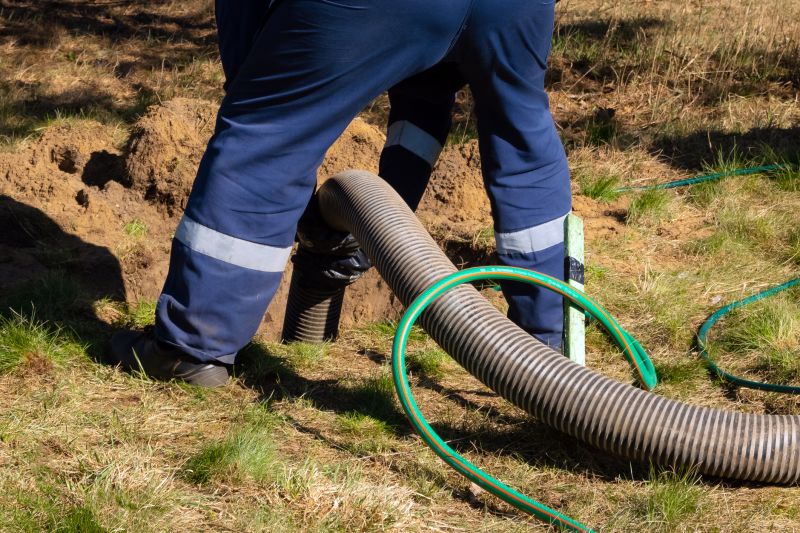 Maintaining proper drainage is essential for ensuring the safety and functionality of residential, commercial, and industrial properties in Middletown, OH. Effective drainage solutions help prevent water accumulation, reduce the risk of flooding, and protect structures from water damage. Whether dealing with clogged pipes, blocked stormwater systems, or inadequate drainage channels, having the right products on hand can make the process more efficient and reliable.
Top Overall Option
Flexible Drainage Pipe System
A versatile and durable drainage pipe system designed to accommodate various installation scenarios. Its flexibility allows for easier routing through complex terrains and tight spaces, making it suitable for both residential and commercial projects. Constructed from high-quality materials, it offers reliable performance and longevity in diverse weather conditions.
Types of Products For Drainage Service
Corrugated Drainage Pipes
Flexible, lightweight pipes used to direct surface and groundwater away from structures.
PVC Drainage Pipes
Rigid pipes suitable for underground drainage systems with high chemical resistance.
Stormwater Drainage Channels
Channels designed to collect and direct rainwater runoff efficiently.
Drainage Grates and Covers
Protective covers that prevent debris from clogging drainage systems while allowing water flow.
Submersible Pumps
Pumps capable of moving large volumes of water from basements or flooded areas.
Sump Pumps
Devices installed in basements or crawl spaces to pump out accumulated water.
Inspection Cameras
Tools used to visually inspect underground pipes and identify blockages or damages.
Hydro-jetting Equipment
High-pressure water systems for clearing stubborn clogs and buildup.
Drainage Baskets
Filters placed in drainage inlets to catch debris and prevent system blockages.
Catch Basins
Structures that collect surface runoff and prevent erosion.
Erosion Control Matting
Materials used to stabilize soil and prevent erosion around drainage areas.
Flexible Couplings
Connectors that join pipes of different diameters or materials securely.
Pipe Fittings and Elbows
Components used to change pipe direction or connect sections.
Drainage Sumps
Containment units for collecting and removing excess water.
Perforated Drainage Pipes
Pipes with holes that allow water to enter from surrounding soil.
Drainage Tape and Sealants
Materials used to seal joints and prevent leaks in drainage systems.
Popular Choices
Widely used for their flexibility and ease of installation in various drainage projects.
Commonly selected for basement water removal and flood prevention.
Popular for managing surface runoff in parking lots and driveways.
Frequently chosen to prevent debris entry and ensure water flow in outdoor areas.
Valued for their ability to facilitate maintenance and identify issues inside underground pipes.
Effective for clearing stubborn blockages in drainage pipes.
Commonly installed in areas prone to surface water accumulation.
Popular for their adaptability in connecting different pipe sections.
Chosen for their ability to collect groundwater from surrounding soil.
Used frequently in areas requiring controlled water removal.
Selected for stabilizing soil around drainage installations.
Essential components for customizing drainage layouts.
Commonly used to prevent debris from clogging drainage systems.
Popular for their ability to handle high water volumes in flooded areas.
Often used during installation to ensure leak-proof connections.
Favored for their adaptability in complex drainage layouts.
Drainage service products come in a variety of forms, each designed to address specific challenges. From durable pipes and fittings to specialized pumps and inspection tools, the selection of appropriate equipment depends on the scope and nature of the drainage issue. For instance, high-quality piping systems ensure long-term performance, while powerful pumps can assist in moving large volumes of water quickly. Proper planning and the right tools are vital for effective drainage management.
In Middletown, Ohio, local contractors and homeowners alike prioritize products that offer durability and ease of use. Investing in well-designed drainage components can help mitigate common problems such as standing water, soil erosion, and basement flooding. Additionally, maintenance products like cleaning tools and inspection cameras can facilitate routine checks, ensuring drainage systems remain functional over time. Selecting suitable products tailored to specific needs can contribute to a safer and more resilient property environment.
Understanding the variety of available products and their applications can help users make informed purchasing decisions. Whether upgrading existing systems or installing new infrastructure, the right drainage products can provide peace of mind and support long-term property preservation.
Key Buying Considerations
- Assess the specific drainage problem to determine the appropriate product type.
- Consider the volume of water that needs to be managed or diverted.
- Evaluate the compatibility of materials with existing infrastructure.
- Check for durability and resistance to weather conditions in your area.
- Determine whether flexible or rigid piping is more suitable for your project.
- Review the size and capacity of pumps to ensure they meet your needs.
- Look for easy installation features if DIY setup is intended.
- Examine maintenance requirements for long-term system performance.
- Ensure that components like fittings and connectors are compatible and secure.
- Consider the potential for future expansion or system upgrades.
- Verify product certifications for safety and quality standards.
- Evaluate the ease of access for inspection and cleaning tools.
- Assess the need for debris filtration or trapping components.
- Determine the appropriate flow rate and pressure specifications.
- Factor in budget constraints while balancing quality and performance.